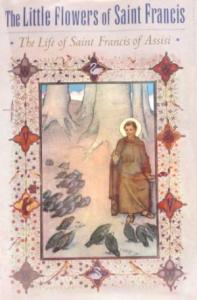
Back in April I shared a post entitled “Memento Mori, or Don’t Get Comfortable.” It was inspired by the sense of urgency I saw in the saints highlighted in Fr. Gaitley’s guide to Marian consecration, 33 Days to Morning Glory. In my reading this summer—particularly Praying With Padre Pio and The Little Flowers of St. Francis (which I’m reading now )—I continue to see this urgency. No sooner is a sin perceived than repentance and penance are undertaken; no sooner does an opportunity arise to serve or suffer than it is pursued to the full; no sooner is a prayer answered than praise and thanksgiving erupt.
 This urgency is particularly edifying to me. Not only do I have a marked tendency to overestimate what I can achieve in the time I have, but I am also tempted more to presumption than despair. In other words, I’m inclined to coast and hope for the best—which is fine for a thing with wheels, but on two legs, usually turns into a long tumble downhill. Continue reading

 Being without work these past few weeks, I’ve had more time than usual to read. Last weekend, I finished Walter M. Miller’s 1959 novel A Canticle for Leibowitz, a book recommended to me by three of the smartest men I know. Set in post-apocalyptic America in the centuries following a nuclear holocaust, it tells the story of the monks of the Albertine Order of Leibowitz, who scratch their livelihood from the rocks and dust of the southwestern deserts and dedicate themselves to their founder’s mission of extracting knowledge from the rubble of the previous civilization and preserving it for the future.
  This morning I finished
