
Everyone who listens to these words of mine and acts on them will be like a wise man who built his house on rock. The rain fell, the floods came, and the winds blew and buffeted the house. But it did not collapse; it had been set solidly on rock. – Matthew 7:24-25
A few weeks ago, my daughter Emma shared a beautiful encounter she had during Adoration at Extreme Faith Camp. While praying with her eyes closed, she saw a young girl not unlike our younger daughter Lily, and received the distinct impression that this was Jude, the baby we miscarried before Lily was born. At first she felt sad, reflecting on how she never knew her other sister—until she heard words of consolation from our Lord. After those words, she even invited Jude to sit in her lap, and felt her sister close to her.
Emma used this experience as an opportunity to witness to others: “I guess that what I’m trying to tell you from sharing this story is that the Lord is truly in the Eucharist and he is there to show you amazing things and bring you closer to him. Don’t doubt for a minute that he isn’t truly present because he is. He loves you and wants to have a relationship with you so you can have the amazing life he has planned for you. Also, remember that your loved ones you have lost love you and are praying for you so that you can join them one day in God’s kingdom.”
Experiences like these move me deeply, because I didn’t grow up this way. My children are learning at an early age that Jesus is really present in the Blessed Sacrament, that the Holy Spirit moves in their lives, and that God has a plan for their happiness, both here and in eternity. I am an old dog, struggling to learn tricks my pups have already begun to master.
I mentioned this to my confessor last week. “We’ve done the best we can for them,” I said, “but activities like Extreme Faith Camp and Core Team have changed their lives. They are experiencing things that I never have!”
“You know how this works, right?” he said. “The reason they are able to reach higher than you is because they are standing on your shoulders. You have given them stability—a firm foundation to stand on. So often we hear people say they just want their kids to have what they didn’t have. … But you are actually doing it. You are giving them spiritual gifts.”
So many of us want to provide our children with a better life, so we focus on material things, like money, toys, gadgets, or cars; or on opportunities, like extracurricular activities and camps; travel, food, and recreation. These are not bad things, necessarily, but when we consider all of eternity, we realize we are focused on the wrong kind of better. As St. John reminds us, “the world and its enticement are passing away. But whoever does the will of God remains forever” (1 John 2:17).
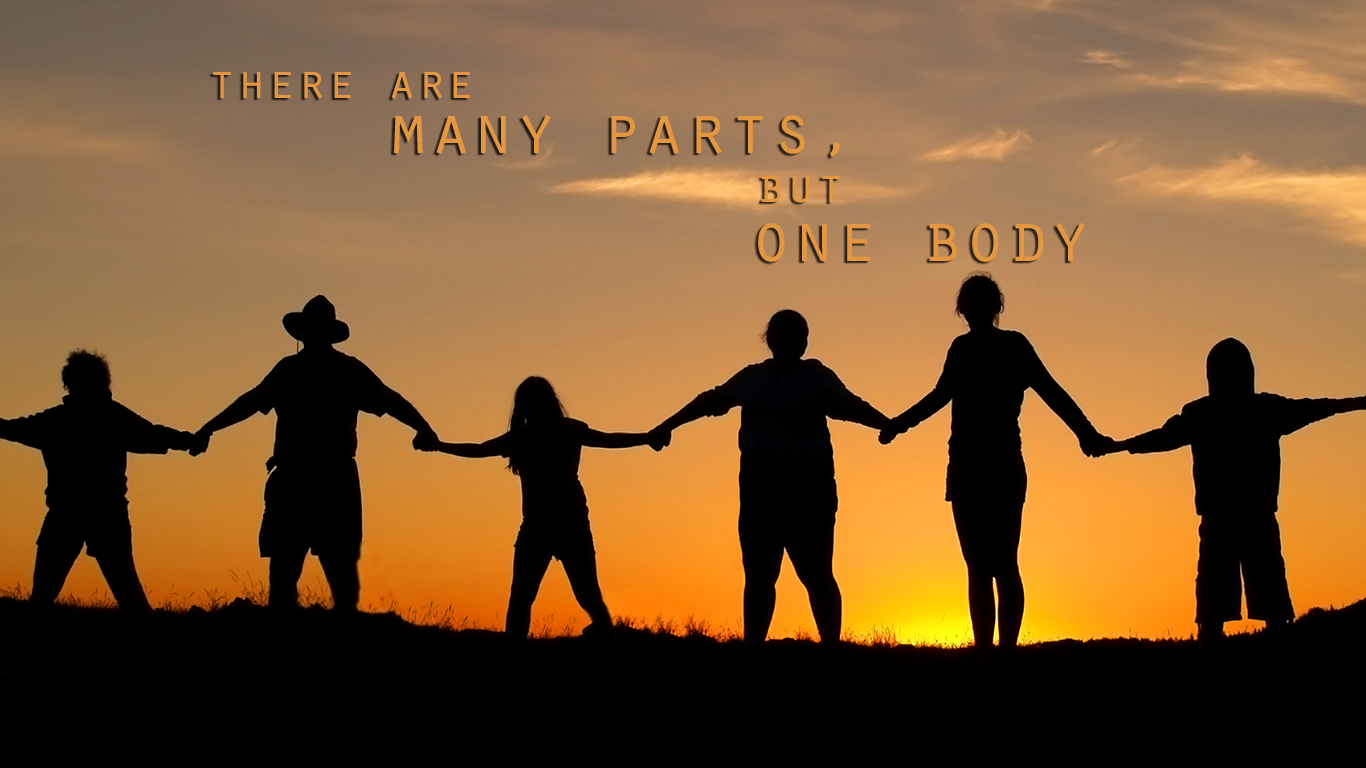
What is truly good is not of this world at all. By doing as Christ Himself instructed—by loving God, neighbor, and enemy; by leading lives of prayer and striving for holiness; by sharing the Good News that Jesus is Lord and Savior—we can be bedrock for our children: the solid ground upon which they plant their feet and lift their hearts to heaven.

 Mark Hart is a former Catholic youth minister, self-proclaimed Bible geek, and vice president of LIFE TEEN…and a recovering cultural Catholic who was just going through the motions in his younger years. Blessed Are the Bored in Spirit: A Young Catholic’s Search For Meaning is a short (less than 150 pages), light, and humorous look at the temptations, attitudes, and obstacles that keep teens and adults lukewarm in their faith. If you’ve heard Hart speak (
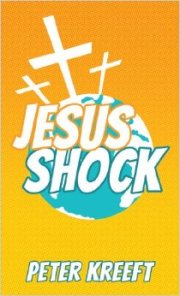 The title and cover of Peter Kreeft’s 176-page Jesus Shock make you wonder if it’s by that Peter Kreeft. It is. Kreeft is a professor of philosophy, lecturer, and author of countless books on theology, philosophy, history, and apologetics — but Jesus Shock is the result of asking God, “What do You want me to write?” The answer, he says, was “Me.” Kreeft asks questions of his readers to help them probe their knowledge of and attitude toward Jesus, and uses Scripture to show how the Incarnation, the God-Man, the Word of God and Savior of the World, is everything we long for and anything but boring. This a somewhat deeper and more academic read that Mark Hart’s book, and more clever than humorous, but still very accessible for adults and motivated teens. It’s a good book for self-reflection or discussion.
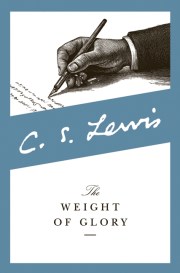 And now for something completely different: The Weight of Glory by C.S. Lewis is a collection of beloved homilies, lectures, and essays by the great writer and apologist, on topics as diverse as the problems with pacifism, why study of the liberal arts matters, the challenge of forgiveness, the incoherence of a strictly scientific worldview, what membership means (and what it should mean), and more. These individual pieces are not directly related to each other, except by authorship, but they present a picture of Lewis’s Christian outlook and concerns about the direction of modern culture that have stood the test of time and are perhaps more relevant today than ever. If you enjoy Lewis’s writings beyond the Narnia series, or if you want to dig more deeply into Christianity in the modern world, brew some coffee, get comfortable, and enjoy. This book is great for personal reflection and deeper discussion, especially if you like stretching your intellectual muscles a bit!
 Archangel Stomp