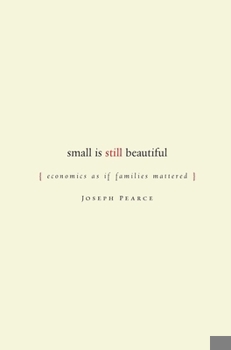
Book Break: Small Is Still Beautiful: Economics as if Families Mattered

Providentially, my reading lately has all been cut from similar cloth: our relentless pursuit of better, newer everything and the dangers it poses to our humanity and health (physical, mental, and spiritual). This latest volume, Small Is Still Beautiful: Economics as if Families Mattered by Catholic scholar, biographer, and author Joseph Pearce was a gift from our Bismarck family, and is a reiteration and expansion on E.F. Schumacher’s 1973 classic Small Is Beautiful: Economics as if People Mattered, with a particular focuses on the environment, food supply, and land use.

In my 2017 review of Schumacher’s book, I described a couple non-academic objections and numerous things I loved about the book. I also said it seemed like the sort of book that had been read, admired, and forgotten in the powerful current of worldly progress.

Continue reading

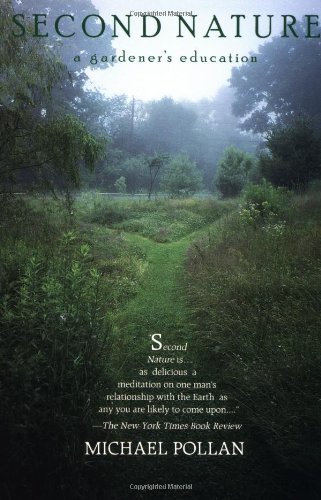
Book Break: Second Nature

I received a somewhat uneven education at Yale University, primarily because I was a 17-year-old kid when I arrived, and given a smorgasbord of courses and little guidance. Yale’s approach was to require a certain number of courses from each of four groupings, plus the prerequisites for your degree. With that as my framework and anthropology as my major, I had plenty of room in my schedule to take whatever caught my eye, from Herpetology to Polish to The History of Jazz.

The history course catalog, in particular, lured me down a rabbit hole: I took two History of the American West courses back to back, essentially two semesters following the colonial frontier westward over the history of Europeans on this continent, then a course called North American Environmental History, which traced our peculiarly American views and impacts on land, nature, and the environment over that same period.

That’s a long preamble to a book review.

Continue reading

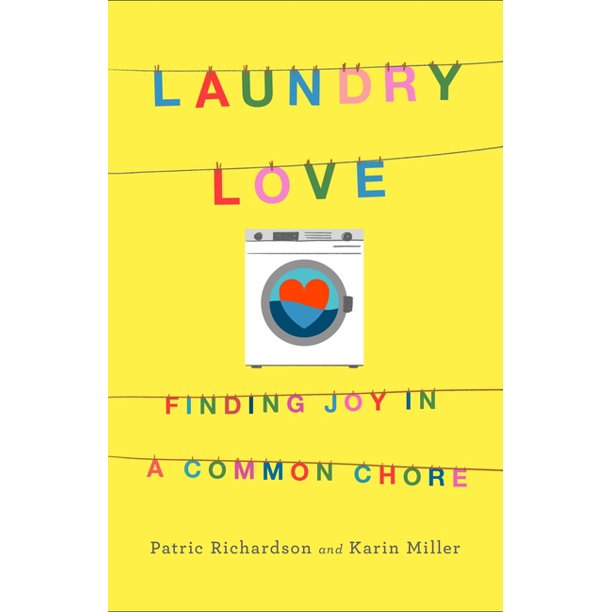
Book Break: Laundry Love

Those who read my blog regularly know that book-related posts often include the caveat that this book might not be for everyone. In the case of one my latest reads, Laundry Love: Finding Joy in a Common Chore by Patric Richardson and Karin B. Miller, it’s definitely true, though not for the usual reasons. There is no dark or objectionable content, nor even a discouraging word, from start to finish.

However, I did make the mistake of discussing this book in mixed company exactly one time. The women were amused and ribbed me gently. The men in the room rolled their eyes and mocked me openly, then worked to change the subject. Apparently a book about doing laundry in more economical and environmentally friendly ways, written by a fellow with a deep love of vintage fashions, disco balls, and stain removal is, in fact, not for everyone.

Continue reading

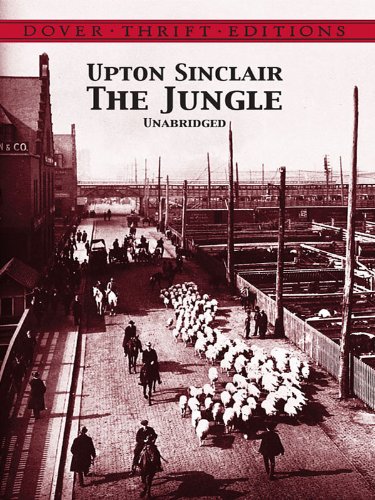
Book Break: The Jungle

A few weeks ago, I attended a day-long training to become a home visitor for our local conference of the Society of St. Vincent de Paul. The most compelling part of the training was the section on what poverty looks like, from the perspective of the person living through it. This segment of the training was led by a man who was born and raised in some of the roughest areas of Chicago and Minneapolis, who was hired by the Society of St. Vincent de Paul as a teen and loved and accompanied for years, through numerous trials and triumphs. Today he is a college-educated husband and father, a successful manager and talented speaker on the state and national level, and a Vincentian for life.

The training was thought-provoking and convicting; it, along with learning more about my own ancestors’ struggles with poverty before I was born, led me to want to dig deeper—which in turn led me to another unread book on my shelf: The Jungle by Upton Sinclair.

Sinclair was an influential muckraking journalist, author, activist, and political candidate at the turn of the 20th century. The Jungle is his fictional but detailed and realistic account of power, corruption, and poverty during this time, particularly in the stockyard district of Chicago. The book follows one immigrant family from Lithuania, who moves to America on the promise of plentiful work for good wages, and finds a corrupt system of capitalists and politicians of every stripe, at every level, keeping prices high and wages low, controlling everything from housing and food supplies in the neighboring slums to law enforcement, inspections, and elections—and driving workers to desperate measures to avoid death by illness, exposure, or starvation.

Continue reading

Worth Living

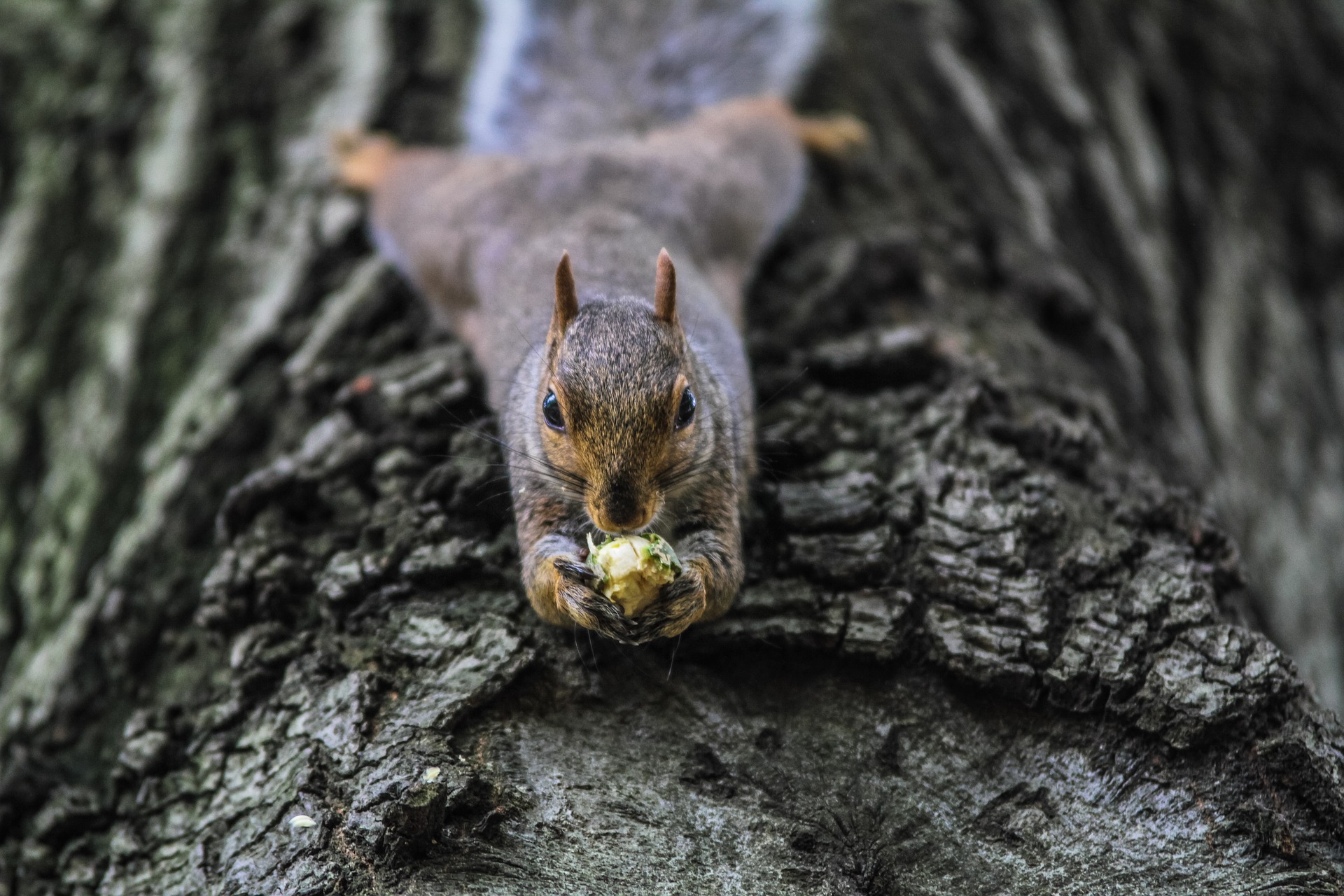
I am blessed this morning to be sitting in the morning sun, overlooking a lake, drinking coffee and listening to an abundance of birds of all shapes and sizes squabbling over breakfast. Swallows and sparrows, redwings and robins, hawks, herons and hummers, filling the air with a cacophony of sound. The blue of the sky is reflected in the rippling water; all else is gold and green, as from my perch I watch three varieties of squirrel cross-crossing the grass seeking food: sleek grays, feisty reds and bold chipmunks.

That God would grace creation with even one prototypical bird or rodent is nothing to sneeze at, and here are so many different kinds, each beautiful in its way—and each created for us.

Do you realize? We believe that all of Creation in its incredible variety was made, out of love, for us. God worked for six “days” establishing the order of the universe and the wonders of the living world, and then made us in His image, giving us stewardship of everything.

And behold, it was very good.

Continue reading